GLAUCOMA
Preventing glaucoma with IOP measurement
Many eye problems in pets are often manifested as a “red eye.” Measuring intraocular pressure (IOP) is an essential component of assessing ocular health. High IOP, low IOP, or significant differences in pressure between the two eyes can be the only clinical indicators of serious eye disease, particularly in breeds predisposed to glaucoma.
Glaucoma is a common blinding disease
Glaucoma is a prevalent eye condition that can lead to blindness in pets. The signs of glaucoma can be subtle and may resemble other eye problems. Look for symptoms such as squinting, prominent nictitating membranes, redness, a cloudy cornea, excessive tearing, dilated pupils, or vision loss. Early detection is crucial to minimize irreversible damage and prevent blindness and severe pain. Incorporating the use of a tonometer into routine examinations can significantly help in preserving a pet's vision.
Detecting and treating glaucoma
Glaucoma, increased pressure in the eye, can quickly damage the optic nerve and lead to vision loss. It may also develop gradually, resulting in vision deterioration with only a few noticeable clinical signs. Early detection through tonometry is crucial for managing and controlling glaucoma effectively.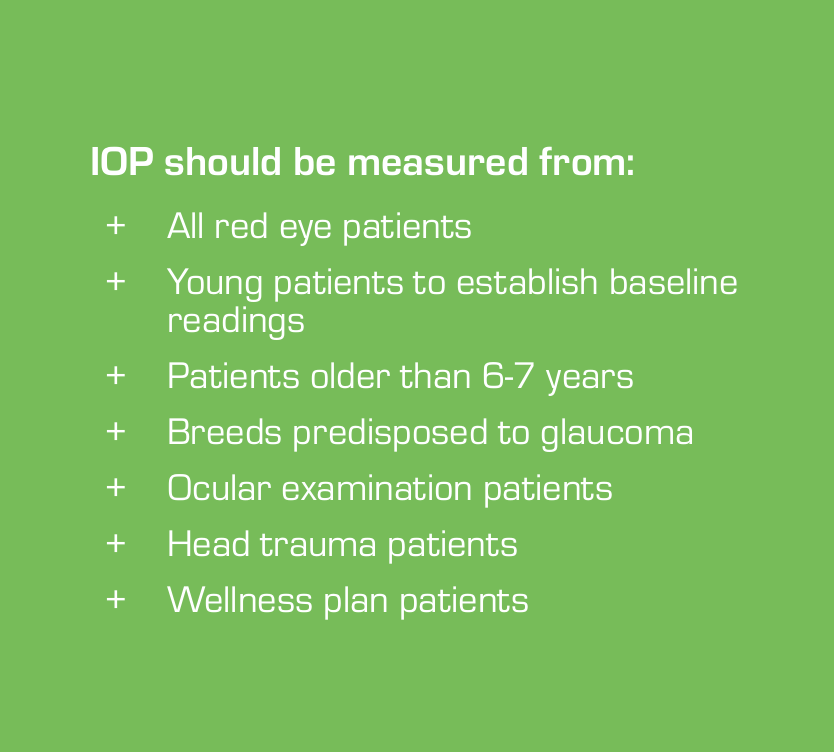
A typical case of missed glaucoma: the importance of early detection for effective treatment
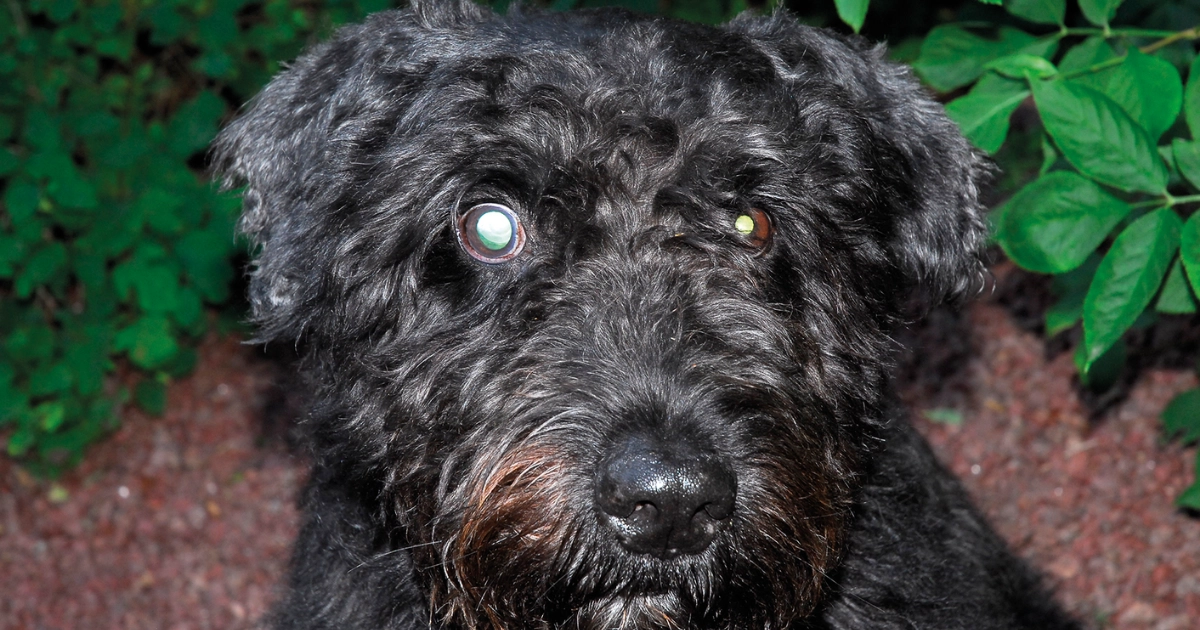
Symptoms of glaucoma are subtle and often mimic other eye diseases. When Morris one evening became very agitated and clawed at his right eye, the pressure in the affected eye had already risen to dangerous levels. Morris had presented with a bloodshot, runny eye for several months and was initially diagnosed with conjunctivitis by Rosalie Palmer, DVM. “Morris was treated three different times with eye drops, but the problem kept returning,” says owner Ulrika Lindfors-Davis. “Then one day the symptoms suddenly became much worse. It was clear he was in much pain, and we all had a restless night.”
Glaucoma is commonly misdiagnosed
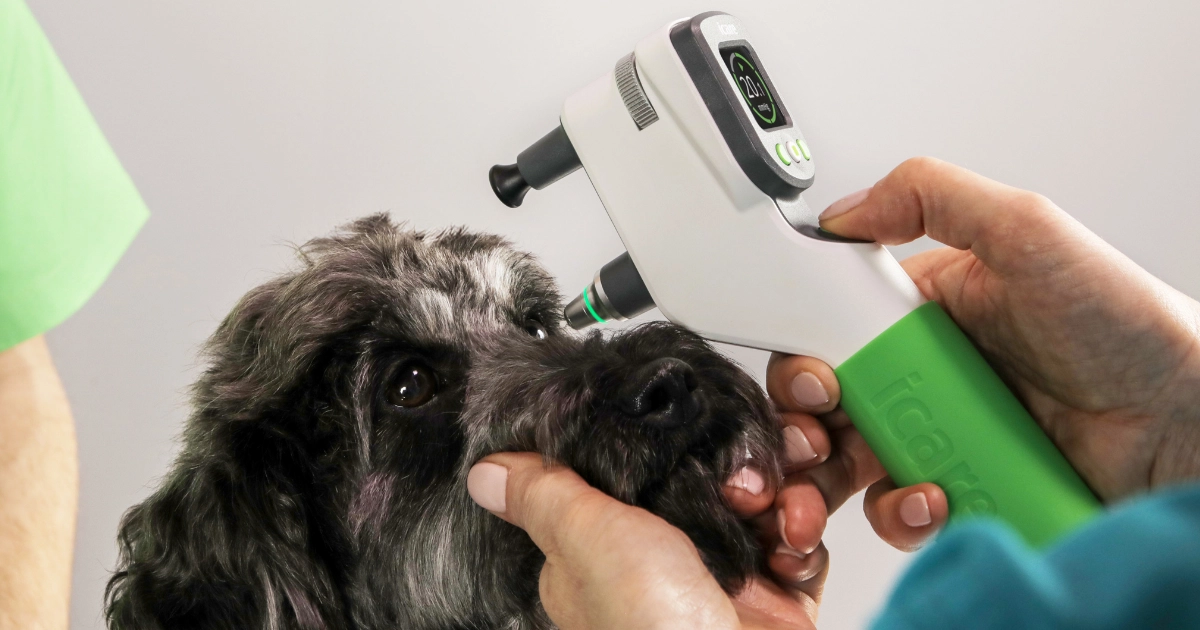
Palmer says she immediately suspected glaucoma, but was unable to confirm the diagnosis at the time because no tonometer available. She explains that early diagnosis of glaucoma is critical to avoid irreversible damage that can lead to blindness and pain. Early detection also improves the prognosis for retaining vision. “All dogs and cats pre senting with red eyes of unclear origin should have their intraocular pressure measured, particularly breeds predis posed to glaucoma.” Other signs warranting immediate IOP measurement include a dilated pupil, enlargement of the eye, corneal cloudiness, excessive tearing, visual impairment, or head or eye trauma. The use of a tonometer such as TONOVET in regular checkups in breeds predisposed to glaucoma and in elderly dogs can make a significant difference in saving a pet’s vision.
Elevated eye pressure reveals glaucoma
After a few weeks, Palmer received a TONOVET tonometer and was able to confirm the diagnosis. “The lightweight probe did not even make Morris blink,” Ulrika says. “I was relieved that the procedure was so easy and pain free.” The first reading was available within seconds. “The eye pressure in the healthy eye was 14 mmHg, which is normal,” Palmer explains, “but the pressure in the affected eye was close to 50 mmHg, which would certainly have caused significant pain.” Normal eye pressure in dogs and cats ranges from 10-20 mmHg, while pressures over 25 mmHg are considered glaucoma. An eye with an IOP above 50 mmHg is, in almost all cases, irrevocably blind. Subsequent measurements revealed that the pressure in Morris’ right eye never went below 45 mmHg.
Even with increased medication, an eye pressure this high is painful. Humans with glaucoma often describe the pain as an excruciating constant headache or migraine. Dogs and cats often show this discomfort by rubbing their eye with a paw or against the floor, by exhibiting decreased activity and less desire to play, irritability or decreased appetite. The pain fluctuates with the pressure in the eye, which will increase and decrease due to various circumstances. “It was evident that the vision in Morris’ right eye was not going to return and he was diagnosed with chronic glaucoma,” Palmer says. “We don’t know if Morris’ healthy eye will eventually develop glaucoma,” Ulrika adds, “but if it does, we know that the prognosis will be much better and that we can begin treatment as soon as possible, thanks to regular checkups with the TONOVET tonometer.”